What Are the Top 10 Dog Home Suppliers in China?
Choosing a Dog Home is not just a style decision. It affects where a dog rests, how well a shelter handles rain and heat, and how easily owners can clean it. The market deserves careful comparison. The American Pet Products Association reported that U.S. pet-industry spending reached $152 billion in 2024. That figure covers the wider pet sector, not dog houses alone, but it shows the scale of spending behind pet care. A big market, though, does not guarantee a good product.
Animal-care writer Roger Caras captured the bond behind these purchases: “Dogs are not our whole life, but they make our lives whole.” His words are a useful reminder: a shelter should serve the dog, not merely look good in a product photo. Small details matter. Think raised floors, smooth edges, sturdy hinges, and enough room for a dog to turn around comfortably. A low price can look convincing. It may not tell the whole story.
This guide examines ten Dog Home suppliers in China through practical buyer considerations: product range, materials, customization, manufacturing transparency, and communication. Supplier claims should be checked against samples, specifications, and clear order terms. That takes time. The ranking is a starting point, not a substitute for due diligence. Some details may be hard to compare from public information alone; that uncertainty deserves attention, not guesswork.

How China’s Dog Home Supplier Market Is Structured
What Are the Top 10 Dog Home Suppliers in China?
How China’s Dog Home Supplier Market Is Structured
China’s dog-home supply base is not one uniform factory network. It typically includes OEM/ODM manufacturers, specialist workshops, export trading firms, and design-led suppliers. Their strengths differ: one factory may sew washable beds in bulk, while another makes bowls, crates, or travel accessories. The boundary is not always clear. Some trading firms coordinate several workshops, offering more choice but making quality checks harder.
The 2024 China Pet Industry White Paper estimated China’s urban dog-and-cat consumption market at RMB 300.2 billion. This is not a dog-home-products figure, but it points to a large, varied customer base. Suppliers compete on more than price: fabric durability, removable covers, consistent sizing, packaging, and repeat-order reliability all matter. A neat sample is useful. Production consistency matters more.
Tips: Request material specifications, seam photos, wash-test results, carton dimensions, and a sample from the production line. Compare equivalent offers. A low quote may exclude packaging or inspection. Public data rarely separates dog beds and home accessories from the wider pet market, so supplier claims deserve careful verification.
Criteria for Identifying Leading Dog Home Suppliers
What Are the Top 10 Dog Home Suppliers in China?
Criteria for Identifying Leading Dog Home Suppliers
Choosing a reliable dog-home supplier takes more than comparing prices. APPA’s 2024 State of the Industry report recorded US pet-industry spending of $147 billion in 2023. Its 2025 report put 2024 spending at $152 billion. These figures indicate a substantial market, not proof of any supplier’s quality. Buyers should verify production and quality claims directly.
Check material specifications, frame stability, seam strength, and washable-cover details. Request a sample and inspect its corners, zippers, and base on a hard floor. Ask for documented quality checks, production capacity, sample lead times, and packaging specifications. Clear measurements matter, especially for bulky beds or enclosed houses. A neat sample may still hide inconsistent factory batches. No checklist is perfect.
Tips: Ask how the supplier tests load-bearing parts and handles defects. Compare the written specification with the sample, not just product photos. Keep records of agreed dimensions, materials, and delivery dates.
Profiles of Ten Leading Dog Home Suppliers in China
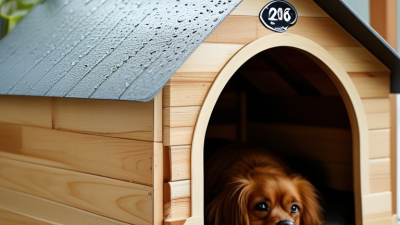
China’s dog-home supply base includes specialists with very different strengths. These ten profiles are practical categories, not a verified ranking of named companies. A wooden kennel workshop may offer solid-pine houses with raised floors and sloped roofs. A textile-bed maker focuses on removable covers, stitched seams, and washable fillings. A metal-crate producer typically works with coated wire panels and folding frames. Check welds and coating consistency in samples.
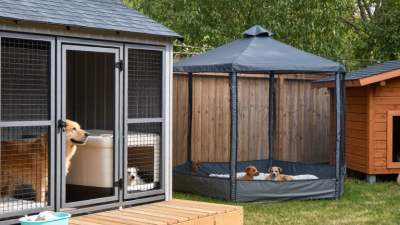
An indoor pet-furniture supplier may combine wood frames with cushioned sleeping areas. An outdoor doghouse maker may add insulation, sealed joints, and rain-shedding roofs. A modular-kennel fabricator designs panels that can be assembled or replaced individually. Useful for changing spaces. A custom workshop can adjust dimensions, fabrics, or colors, though small orders may cost more. Ask for a written sample specification.
An OEM-focused supplier can manufacture to a buyer’s drawings, but tolerances need clear agreement. A material-conscious maker may offer recycled fabrics or certified wood; request evidence rather than relying on broad claims. An export-oriented supplier may coordinate packaging, inspections, and shipping documents. These profiles overlap, and a polished catalogue proves little on its own. Compare finished samples, production capacity, repair options, and response times before choosing. One weakness is easy to miss: comfort claims are hard to judge from photographs alone.
Key Products and Manufacturing Strengths of Each Supplier
What Are the Top 10 Dog Home Suppliers in China?
Key Products and Manufacturing Strengths of Each Supplier
China’s dog-home suppliers commonly make beds, crates, kennels, playpens, and weather-resistant outdoor shelters. Their strengths vary: textile factories handle washable covers and foam filling, while metal workshops produce welded frames and foldable panels. Plastic molding supports lightweight carriers and kennel bases. Some suppliers combine materials, but quality control can differ between product lines.
The American Pet Products Association reported US pet-industry spending of $152 billion in 2024. This figure covers the wider pet market, not dog homes alone, so it signals overall scale rather than product-specific demand. For buyers comparing suppliers, inspect fabric seams, frame joints, coating consistency, and replacement-part availability. Ask for material specifications and production samples. A polished catalog is not proof of durable construction.
Tips: Request test results for load-bearing parts and clear cleaning instructions. Check whether sample materials match bulk production. Small inconsistencies happen; verify them before ordering. Consider packaging dimensions too, since bulky shelters can raise freight costs. A supplier with in-house cutting, welding, or molding may offer tighter process control, but confirm which steps are actually performed at its own facility.
How to Compare Suppliers for Different Sourcing Needs
When comparing Chinese dog-home suppliers, start with the order you actually plan to place. A small retailer testing a new range may need mixed styles and a modest minimum order. A larger buyer may prioritize steady production, consistent packaging, and predictable lead times. Ask whether beds, crates, kennels, or outdoor shelters are made in-house. This can affect quality checks and how quickly problems get resolved.
Compare samples against written specifications, not just photographs. Check dimensions, fabric feel, stitching, zippers, frame joints, and packaging. Ask how defects are recorded and what happens when a batch differs from the approved sample. A sample is useful, but it is only one snapshot. Factory visits or video calls can add context, yet neither guarantees every shipment will match. I would also check production capacity and communication speed before agreeing on delivery dates. Small trial, big insight.
Tips: Request a clear quotation with materials, sizes, packaging, minimum quantities, and lead times. Keep one approved sample for comparison. If a supplier avoids specific answers, pause and ask again; that small delay may save a larger headache.
How to Compare Dog Home Suppliers in China
How to use this chart: These suggested evaluation weights provide a starting point for comparing suppliers across different sourcing needs. They are not measured supplier rankings or market statistics. Increase the weight of customization, for example, when developing a unique product; prioritize MOQ flexibility when placing a small trial order.