How to Choose the Best Active Dog Toys for Your Dog?

Choosing the right Active Dog Toys can turn an ordinary afternoon into focused, healthy enrichment. Yet the best toy is not always the most expensive or impressive one. It should match your dog’s size, age, energy level, chewing habits, and play style. A Border Collie may prefer a puzzle that demands concentration, while a senior Beagle may enjoy a softer scent-based toy. Every dog is different.

Patricia McConnell, an applied animal behaviorist, has said, “Play is a powerful way to build a relationship with your dog.” Her observation explains why toy selection matters beyond exercise. A well-chosen toy can encourage movement, reduce boredom, and create a calmer training routine. It may also reveal useful clues about your dog’s preferences. Does your dog chase, tug, retrieve, sniff, or solve problems?

Safety comes first. Inspect seams, remove loose parts, and choose a size that cannot be swallowed. Supervise enthusiastic chewers. No toy lasts forever. That is easy to forget.

This guide compares interactive, fetch, tug, puzzle, and durable chew options. It considers materials, cleaning, difficulty, and everyday practicality. Some recommendations may need adjustment. A toy that works brilliantly today might become boring next week. Rotate options, observe your dog closely, and replace damaged items promptly. The goal is not constant stimulation. It is meaningful activity that fits your dog’s real needs.
How to Choose the Best Active Dog Toys for Your Dog?

Assess Age, Breed, Health, and Activity Level Before Choosing Toys

How to Choose the Best Active Dog Toys for Your Dog?

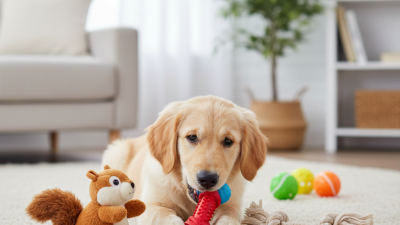
Age should guide your dog toy choices. Puppies need soft, durable toys that support safe chewing and gentle exploration. Avoid loose parts that could enter a puppy’s mouth. Adult dogs often need stronger toys for fetching, tugging, or problem-solving. Senior dogs may prefer lighter toys with softer textures. Size matters. A toy should be large enough to reduce swallowing risks, but not too heavy for comfortable carrying.

Breed can offer useful clues, but it should not decide everything. A herding dog may enjoy chasing and moving toys. A scent-driven dog may prefer hidden treats or search games. Athletic dogs often need toys that encourage short bursts of running. Observe your dog for several days. Does your dog sprint, sniff, chew, or lose interest quickly? Match the toy to that behavior. Too easy becomes boring. Too difficult may cause frustration.

Health needs careful attention. Dogs with dental pain may need softer materials, while dogs with arthritis may benefit from low-impact activities. A veterinarian can help you choose safer options for dental, joint, or weight concerns. Supervise new toys closely, especially during the first few sessions. Check for cracks, torn seams, sharp edges, or missing pieces. Replace damaged toys promptly. Even careful choices can fail, and a toy that worked yesterday may become unsafe after heavy chewing.

Classify Active Toys by Exercise, Enrichment, Fetch, Tug, and Chewing

How to Choose the Best Active Dog Toys for Your Dog?

Active toys should match your dog’s body, age, habits, and daily routine. The 2023–2024 APPA National Pet Owners Survey reports 65.1 million U.S. households own dogs. That scale reflects a real need for thoughtful activity, not random buying. The Association for Pet Obesity Prevention estimated that 59% of dogs were overweight or obese in 2022. Exercise toys can help, but they cannot replace measured meals or veterinary advice.

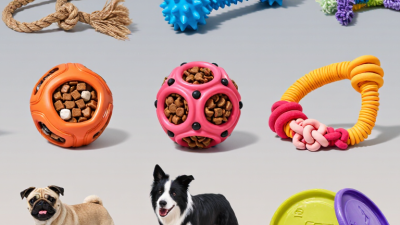
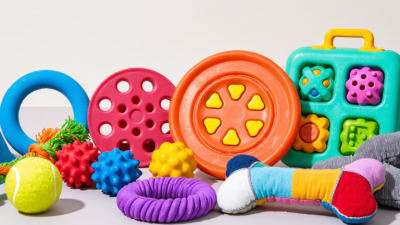
Exercise toys suit dogs that need controlled movement. Use rolling toys, treat-dispensing puzzles, or short obstacle games indoors. Enrichment toys make dogs think. Hide small food portions, then watch whether your dog solves the task calmly. Fetch toys support running and retrieval, especially outdoors. Choose a size your dog cannot swallow.

Tug toys build interactive play and impulse control when both players release on cue. Keep sessions brief.

Chew toys support natural chewing and may reduce boredom. Select durable materials, but inspect them after every session. No toy is indestructible. A cracked edge can become a swallowing hazard. The American Veterinary Medical Association recommends supervising pets with toys and replacing damaged items.

My practical mistake was choosing durability over interest. A dog may ignore an expensive toy and prefer a plain rope. Observe the dog, adjust the challenge, and rethink your choice when play becomes frantic, repetitive, or dull.

Use APPA’s 65.1M U.S. Dog-Owning Households Data to Plan Play

How to Choose the Best Active Dog Toys for Your Dog?

APPA reports 65.1 million U.S. households owned dogs in its recent industry data. That figure shows a wide range of homes, routines, and canine needs. An active toy should match your dog’s age, body size, energy, and play style. A retriever may enjoy repeated fetching, while a terrier may prefer digging, chasing, or problem-solving. Watch your dog closely before choosing. Their behavior offers better evidence than a general label.

I have sometimes chosen toys that looked exciting but bored my dog quickly. That mistake taught me to test gradually. Start with short sessions and notice chewing pressure, frustration, and interest. Durable rubber toys can support energetic play, while treat puzzles encourage slower thinking. Tug toys may build engagement, but calm release training matters. Remove damaged pieces immediately. Even a well-designed toy can become unsafe after heavy use.

Tips: Rotate two or three toys instead of leaving everything available. Use active toys in open spaces without sharp furniture nearby. Supervise chasing games, especially with puppies or powerful chewers. Clean toys according to their materials, and inspect seams after every vigorous session. A simple notebook can track which toy keeps your dog engaged, relaxed, and physically comfortable. My judgment can still be wrong, so your dog’s daily response should guide adjustments.

Apply Veterinary Safety Criteria for Size, Materials, and Supervision

How to Choose the Best Active Dog Toys for Your Dog?
Apply Veterinary Safety Criteria for Size, Materials, and Supervision

An active toy should match your dog’s body, bite strength, and play habits. A practical, veterinary-informed approach begins with size. Choose a toy too large to swallow, yet small enough to carry comfortably. A ball should not fit behind the back teeth or lodge in the throat. Measure your dog’s mouth when uncertain. Puppies need different dimensions as they grow. Recheck the toy every few weeks.

Material matters as much as design. Select durable, non-toxic materials without sharp edges, loose strings, or detachable parts. Rubber should flex slightly without crumbling. Fabric toys need tight stitching and no exposed stuffing. Avoid items that splinter, crack, or shed small pieces. I would replace a damaged toy immediately, even if it still looks usable. That can feel wasteful, but safety costs less than an emergency visit.

Supervision is part of the toy, not an optional extra. Watch the first sessions for frantic chewing, swallowed fragments, or strained teeth. Stop play when damage appears. Use active toys in a clear area, away from stairs and traffic. Rotate suitable toys to reduce boredom, but rotation cannot remove every risk. No checklist is perfect. Your dog’s behavior may change faster than the label suggests. Ask a veterinarian about unusual chewing, dental pain, or repeated swallowing attempts.

How to Choose the Best Active Dog Toys for Your Dog? - Apply Veterinary Safety Criteria for Size, Materials, and Supervision

Dog Profile Suitable Active Toy Type Size and Shape Safety Criteria Material Criteria Recommended Supervision Replace or Remove When
Small dog or puppy
Including dogs with smaller jaws
Small treat-dispensing toys, lightweight fetch toys, and soft tug toys Choose a toy that cannot fit completely inside the dog’s mouth or become lodged in the throat. Avoid long cords that can wrap around the neck. Use durable, non-toxic materials with no easily detached eyes, bells, buttons, or small parts. Supervise every play session, especially with new toys or toys containing treats. Remove the toy if seams open, stuffing becomes accessible, or pieces can be chewed off.
Medium or large dog
With a stronger bite
Large rubber fetch toys, durable food puzzles, and reinforced tug toys Select a size proportionate to the dog’s jaw. The toy should be too large to swallow but not so large that the dog cannot carry or grip it safely. Prefer resilient rubber or other purpose-designed pet-toy materials. Avoid objects that splinter, such as cooked bones or brittle plastic. Remain nearby during chewing, tugging, and high-energy play. Inspect the toy before and after use. Discard it when deep cracks, sharp edges, large tears, or missing chunks appear.
Power chewer
Dog that destroys toys quickly
Heavy-duty rubber toys and large, simple treat puzzles Avoid extremely hard, rigid items that may damage teeth. Choose a toy with rounded edges and no narrow sections that can break away. The material should have some flexibility and should not shed brittle fragments when pressed or chewed. Use direct supervision until the dog’s chewing pattern is known. Do not leave a destructive chewer alone with a new toy. Remove the toy immediately if a piece is missing or if the dog can break it into swallowable fragments.
Fetch-focused dog
Enjoys running and retrieving
Flexible balls, floating retrieve toys, and smooth-sided fetch discs Use a ball larger than the dog’s throat and a disc that flexes rather than becoming sharply rigid. Avoid toys that can block breathing. Choose non-splintering, washable materials. For water play, use toys designed to float and remain visible. Supervise outdoor and water play. Provide rest breaks and stop play if the dog shows heavy fatigue or difficulty breathing. Replace the toy when its surface becomes rough, cracked, punctured, or difficult to clean.
Food-motivated or mentally active dog Stuffable toys, rolling feeders, snuffle-style enrichment, and sliding puzzles Select a size that prevents swallowing and a design without detachable puzzle pieces. Begin with an easy difficulty level. Use food-safe, washable materials. Avoid porous surfaces that retain moisture, food residue, or mold. Supervise the first sessions and monitor the dog’s daily treat intake. Remove the toy after the food has been consumed. Discard it if food cannot be removed during cleaning or if cracks create hiding places for residue.
Senior dog or dog with dental sensitivity Gentle food puzzles, soft fetch toys, and low-impact interactive toys Choose lightweight toys that are easy to pick up. Avoid very small toys and activities requiring forceful biting. Use soft yet tear-resistant materials with smooth surfaces and no abrasive edges. Supervise closely and keep play sessions short. Stop if chewing causes discomfort, bleeding, or reluctance to continue. Remove the toy if it becomes hard, rough, torn, or uncomfortable for the dog to hold.
Dog that plays with other dogs Large, durable group-fetch toys and simple tug toys used with trained dogs Use toys large enough to reduce accidental swallowing. Avoid toys with handles, loops, or cords that can catch on legs or necks. Select washable, non-splintering materials that tolerate shared use. Keep separate toys available if competition develops. Provide continuous supervision. End play if dogs guard the toy, growl repeatedly, or become overly aroused. Remove the toy when damaged or when it triggers unsafe guarding or aggressive behavior.
Universal Veterinary Safety Check: Inspect every toy before use, choose a size appropriate for the dog’s mouth and chewing style, wash toys according to their material, and supervise play whenever a toy can be chewed apart, swallowed, or used competitively. Contact a veterinarian promptly if your dog swallows part of a toy or shows gagging, repeated vomiting, abdominal pain, lethargy, or difficulty breathing.

Trial, Monitor, and Replace Toys Based on Engagement and Wear

How to Choose the Best Active Dog Toys for Your Dog?

Choosing an active dog toy should begin with a trial, not a guess. APPA’s 2023–2024 National Pet Owners Survey reports 65.1 million U.S. households own dogs. That scale makes thoughtful toy selection important. Offer one toy at a time. Watch how your dog uses it, not how attractive it looks. A ball may inspire sprinting, while a puzzle toy may encourage quiet concentration. Engagement is the real test.

Monitor chewing style, frustration, and physical changes. A toy that causes repeated coughing, swallowed pieces, or tense guarding needs immediate removal. The Association for Pet Obesity Prevention reported that 59% of surveyed dogs were overweight or obese in 2022. Active toys can support movement, but they cannot replace controlled walks or veterinary advice. Rotate several safe options. Do not leave every toy available. Too much choice can reduce interest, and I sometimes underestimate how quickly a determined chewer damages fabric seams.

Tips: Inspect toys before and after each session. Replace cracked rubber, loose stitching, missing pieces, or sharp edges. Match toy size to your dog’s mouth and chewing strength. Supervise new toys closely. Keep a simple note of play time, damage, and excitement. If interest drops for several days, retire the toy or change the activity. A worn toy is not a sentimental object; it is a preventable hazard.