You have no items in your shopping cart.

Choosing the right dog products for international markets takes more than spotting a popular item. Buyers need to consider comfort, durability, clear product information, and practical everyday use. This guide to the 10 Best Pet Dog Products for Global Buyers explores options for homes, grooming routines, play, and travel.
A well-made bed should feel supportive and suit the dog’s size. A food bowl should stay steady on the floor and be easy to clean. Grooming brushes, toys, collars, and travel carriers also deserve careful comparison. Check measurements, materials, care instructions, and product details before purchasing. Small details matter: a zipper that catches fur or a toy that is hard to wash can quickly become frustrating.
Reliable suppliers provide consistent specifications and answer questions about materials and sizing. Clear photos help, but they cannot replace accurate measurements. No ranking fits every dog. Age, coat type, activity level, and local climate all affect what works. Some products may look excellent online yet feel less useful at home; that is worth admitting. The selections here are intended as a practical starting point, not a universal verdict. Compare each item with your customers’ needs, and favor products that are straightforward to inspect, maintain, and use. Expect trade-offs.
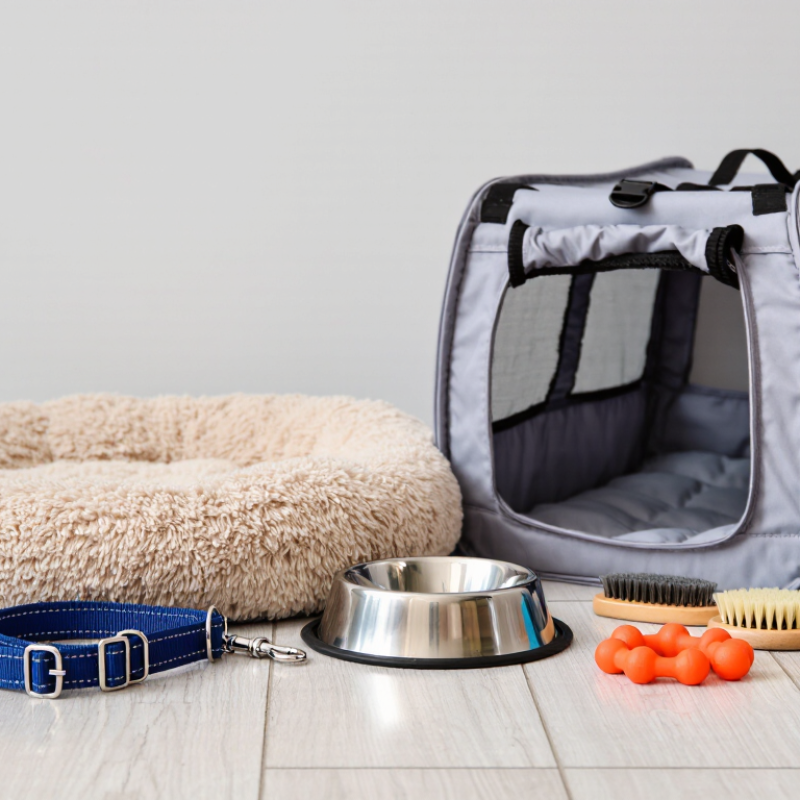
Global buyers evaluate dog products by asking how they perform in real homes, not only how they look in a catalog. A leash should feel secure in a gloved hand, while a bowl should stay steady on tile. Small details matter. Check material descriptions, stitching, edge finishes, and cleaning instructions. For toys, consider chewing strength and inspectable seams. No toy suits every dog, and supervision remains sensible.
Reliable evaluation also means checking evidence. Request clear dimensions, care guidance, and consistent product samples. Compare samples with production specifications, then test closures, clips, and packaging through repeated handling. This is practical, not glamorous. Ask suppliers how they control material changes between batches and document quality checks. Claims such as “durable” mean little without a defined test or usage context.
Buyers should consider shipping and customer use together. A bulky bed may be comfortable but costly to store and transport. Compressed packing can help, though it may affect the shape after opening. Review carton strength, labeling clarity, and replacement-part availability. Regional preferences differ, so gather feedback from local retailers and dog owners before placing large orders. Even a careful checklist can miss real-life behavior: one energetic puppy may reveal a weakness that a brief inspection never catches. Trial orders help, but repeated complaints should prompt a fresh look at earlier assumptions.
A practical dog range covers complete food, treats, feeding bowls, collars, leashes or harnesses, identification tags, beds, toys, grooming tools, and waste bags. Each serves a daily need. A sturdy harness should sit flat across the chest, while a washable bed needs a removable cover and strong seams. Buyers should compare materials, sizing, and care instructions, since product fit can vary between dogs and markets.
The American Pet Products Association’s 2024 State of the Industry report puts U.S. pet spending at $147 billion in 2023, with $150.6 billion projected for 2024. This figure covers the wider pet industry, not dog products alone, but it shows the scale of consumer demand. For global buyers, clear size charts and durable, easy-to-clean materials matter as much as appearance. A tidy category list still misses one thing: dogs chew, scratch, and outgrow gear at different rates.
Tips: Check bowl stability on a hard floor. Test leash clips before sale, and inspect stitching near stress points. Offer toys in varied textures, but avoid making unsupported safety claims. A product that looks premium may not hold up to daily washing. That deserves a second look.
10 Best Pet Dog Products for Global Buyers
Food, Treats, and Feeding Products for Daily Care
A dependable daily-care kit starts with food suited to a dog’s age, size, and activity level. Compare ingredient lists, feeding directions, and package dates rather than relying on attractive packaging. For international purchases, check that the label is clear and that the product can be stored safely during shipping. Freshness matters.
Treats make training more rewarding, but small pieces are often enough. Keep portions modest and account for them in the dog’s daily food intake. A few simple options, such as soft training bites and longer-lasting chews, can serve different routines. Still, every dog responds differently; a popular texture may be ignored completely.
Feeding products can make mealtimes easier. A sturdy, easy-to-wash bowl suits everyday use, while a slow-feeder bowl may help dogs that gulp their meals. An airtight food container protects dry food from moisture, though it should be cleaned before refilling. I would not buy every accessory at once. Watch how the dog eats, note what gets used, and adjust. Small details count. If a dog has a medical condition or reacts poorly to a food, seek veterinary guidance before changing its diet.
| No. | Product | Product Type | Typical Format or Size | Suitable For | Key Selection Considerations | Daily Care Use |
|---|---|---|---|---|---|---|
| 1 | Complete Dry Dog Food | Extruded kibble | Common retail bags: 2–15 kg | Adult dogs, with formulas selected by life stage and size | Check the nutritional adequacy statement, ingredient declaration, feeding guide, and package date. Choose a formula appropriate to the dog's age and condition. | Can serve as a main diet when labeled complete and balanced for the dog's life stage. |
| 2 | Complete Wet Dog Food | Canned or tray-packed food | Common portions: approximately 100–400 g | Dogs whose owners prefer moist food or mixed feeding | Distinguish complete food from complementary food on the label. Review storage instructions and use opened portions promptly as directed. | May be fed as a complete meal or combined with dry food when the feeding plan accounts for total calories. |
| 3 | Puppy Food | Dry or wet complete food | Multiple package sizes; follow the product's feeding guide | Growing puppies | Select a life-stage-appropriate formula. For puppies expected to become large dogs, check that the food is specifically suitable for large-breed growth. | Supports routine meals during growth; adjust portions as the puppy develops and consult a veterinarian for individual needs. |
| 4 | Senior Dog Food | Dry or wet food, depending on the formula | Common retail bags or cans; sizes vary by market | Older dogs, based on individual health and activity | “Senior” age ranges differ among products. Compare the nutrition panel and seek veterinary guidance if the dog has a diagnosed condition. | Provides a convenient meal option for older dogs; portion size should reflect body condition and activity. |
| 5 | Single-Ingredient Dehydrated Treats | Air-dried or dehydrated pieces | Common pouches: approximately 30–200 g | Dogs that tolerate the listed ingredient | Check the full ingredient list, origin and handling information, and any storage directions. Treats are not a complete diet unless labeled as such. | Offer small portions as occasional rewards and include treat calories in the daily feeding plan. |
| 6 | Soft Training Treats | Small, soft pieces | Common resealable pouches: approximately 80–300 g | Dogs being rewarded during training | Choose pieces that are easy to portion. Check ingredients and calorie information, particularly when rewards are given frequently. | Useful for repeated rewards; keep individual pieces small and provide fresh water. |
| 7 | Dental Chews | Chewable edible treats | Sold individually or in multi-count packs | Dogs matched to the chew's stated size and age guidance | Follow the package's size and supervision instructions. Chews do not replace regular tooth brushing or professional dental care. | Offer only as directed and supervise chewing to reduce choking risk. |
| 8 | Slow-Feeding Bowl | Food bowl with raised ridges or channels | Various diameters and capacities | Dogs that eat rapidly, if suitable for the individual dog | Look for a stable, appropriately sized design and a smooth, cleanable surface. Material and dishwasher instructions vary by product. | Can make food take longer to access; supervise use and keep the bowl clean between meals. |
| 9 | Stainless-Steel Feeding Bowl | Reusable food or water bowl | Common capacities: approximately 0.5–4 L | Dogs of different sizes, with capacity chosen to suit the dog | Check bowl dimensions, base stability, and cleaning instructions. Stainless steel is widely used for reusable feeding equipment. | Suitable for routine meals or drinking water; wash regularly and provide clean water throughout the day. |
| 10 | Automatic Pet Feeder | Programmable dry-food dispenser | Hopper capacities commonly range from about 1–6 L | Households seeking scheduled dry-food portions | Confirm the feeder's portion settings, power requirements, cleaning instructions, and compatibility with the kibble size. It is not a substitute for monitoring a pet's health. | Can dispense scheduled portions; check the device and food supply regularly and provide a separate water source. |
For daily walks, a well-fitted harness can spread pressure across a dog’s chest more comfortably than a collar alone. Check that two fingers fit beneath the straps, and inspect buckles for cracks or loose stitching. Pair it with a leash that feels secure in wet hands. Reflective trim helps in dim light, though it cannot replace visibility and care near traffic. Fit matters most.
Travel gear should suit the dog, not just the vehicle. A ventilated carrier or suitable restraint can help limit sudden movement; check the vehicle manual and local requirements before choosing one. For longer trips, offer water and plan calm breaks. A collapsible bowl takes little space. It is easy to pack too much, while forgetting the dog’s familiar blanket.
Grooming tools work best when matched to coat type and temperament. A soft brush may suit short coats, while longer coats often need gentle, regular detangling. Keep nail trims small, and pause if your dog pulls away; rushing can make future grooming harder. For comfort at home, choose a washable bed with enough room to stretch. Small details count. A cooling mat may help in warm weather, but shade, fresh water, and supervision still matter. No single product suits every dog, so observe what your pet actually uses.
Choosing the 10 best pet dog products for global buyers starts with fit and safe construction, not flashy features. A harness should sit securely without rubbing behind the front legs. Check stitching, buckles, and sizing guidance before ordering. For toys, look for durable seams and parts too large to swallow, and supervise chewing. No material is indestructible.
Quality is easier to judge when product details are specific. Clear measurements, care instructions, and material descriptions help buyers compare beds, bowls, carriers, and grooming tools. Regional suitability matters, too. A thick bed may feel uncomfortable in a hot climate, while a carrier that fits one vehicle may not fit another. Check local sizing conventions and transport requirements. When details are vague, contact the seller or ask a veterinarian; I would not treat a polished photo as proof of safety.
Tips: Measure your dog while standing, then compare the figures with the size chart. Check seams and closures when the item arrives. Washable covers help in muddy seasons. Keep packaging and instructions until the product has been tried. A small mismatch can matter.