
You have no items in your shopping cart.

Rounders looks simple: a bat, a ball, and posts set across a field. But the right Rounders Set depends on who is playing, where the game takes place, and how often the equipment will be used. A school class needs sturdy, easy-to-count pieces. A family playing in a park may prefer a lighter kit that packs into one bag. Clubs often need durable bats, regulation-style balls, and clear base markers for repeated sessions.
The wider case for accessible school sport is supported by participation data. Sport England’s Active Lives Children and Young People Survey for the 2023–24 academic year reported that 47.8% of children and young people in England met the recommended activity level. That figure describes activity, not rounders participation or equipment sales. It is useful context, but it cannot tell us which kits are best.
This guide compares the main types of rounders sets, including school, club, and portable recreational options. It considers durability, contents, storage, and suitability for different ages. Small details matter. A slippery bat handle or missing post can interrupt a game quickly. Product descriptions do not always make these differences clear, and a more expensive set is not automatically better. The best choice is the one that fits the players, playing surface, and real conditions of use.
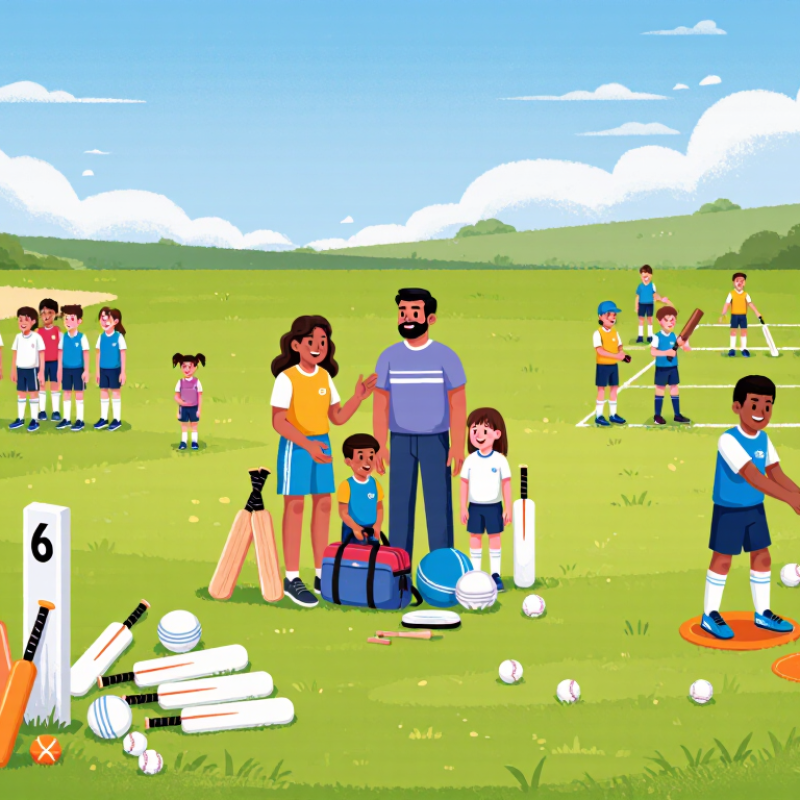
How Rounders Sets Are Classified by Purpose and Setting
Rounders sets are best classified by where and how people play. A school set usually prioritizes easy handling, durable equipment, and quick setup. It may include lightweight bats, soft balls, and clearly marked posts for younger players. Keep it simple. Teachers can spend less time arranging gear and more time helping pupils practise safe swings and accurate throws.
Club and training sets tend to suit repeated use and more structured games. They may offer sturdier bats, several balls, and bases or posts that stay visible on a large pitch. The right choice depends on the group’s age, skill level, and local playing rules. Equipment alone does not make a game regulation-ready; check the rules used by your league or school.
For parks, gardens, and mixed-age gatherings, portable recreational sets are often more practical. Lightweight posts and compact storage make them easier to carry, while softer balls can suit casual play. Check the ground before setting up: uneven grass can shift a base, and hard surfaces may call for extra care. A neat classification can still miss something. Weather, storage space, and player confidence matter too.
School rounders sets for physical education should make lessons easy to organise and adapt. A basic set usually includes rounders bats, balls, and bases or posts. Some sets add a carry bag, which helps staff keep small pieces together between classes. Check that the number of bats suits your class size. Long waits can leave pupils cold and distracted.
For team play, choose equipment that fits the pupils’ ages and the playing area. Softer balls may help beginners practise catching and batting with more confidence. Lightweight bats are easier for younger pupils to control. Markers should be visible on grass or a playground, and stable enough to stay put during play. No set fixes a crowded lesson, though. Groups may need rotating roles, such as batting, fielding, and scoring.
Tips: Count every item before and after class. Set bases with clear running lanes, away from walls and other groups. Show pupils how to hold the bat and wait their turn. Keep it simple. After a lesson, note what worked and what felt awkward; the ideal setup may change with class size, weather, and available space.
For parks and casual games, a rounders set should be easy to carry, quick to lay out, and forgiving for mixed abilities. A basic recreational set usually includes a bat, soft balls, and markers for the bases. Some sets add posts or cones, which help players see the playing area on a wide field. Keep it simple.
Soft balls are useful when children or beginners are playing, while firmer balls may suit experienced groups. Check the ball size and bat weight before buying; a bat that feels manageable in a shop may feel tiring after several innings. A spare ball is practical, too. Balls roll under benches, into long grass, and sometimes out of sight.
For park use, flat, flexible base markers are often easier to pack than rigid bases. Bright colors show up against grass, though muddy ground can still hide them. A small carry bag keeps the equipment together, and a quick count after play prevents missing pieces. On uneven ground, place markers where they will not shift easily. No set makes every pitch fair, and casual games rarely run perfectly. That is part of the fun, but clear boundaries and a quick safety check help everyone enjoy the game.
Compare example kit contents for different ways to play. Each set includes four posts, the usual number used to mark the bases in rounders; other quantities are illustrative, not a universal standard.
A starter set keeps equipment minimal. A school set adds spare bats and balls, while a park and casual set also includes cones for marking play areas.
For clubs and tournaments, a competition-grade rounders set should offer dependable, matching equipment rather than simply a large number of pieces. A complete set typically includes bats, balls, and bases or posts, with clear details about quantities and materials. Check that the equipment suits your playing surface and the rules used by your league. Requirements can vary, so a seller’s “competition” label is not a substitute for checking specifications.
Look for sturdy bats with comfortable grips and balls that remain easy to see against grass or a shaded field. Bases should stay in place during quick turns, yet be simple to reposition between innings. Consistency matters. When several teams share equipment, matching balls and bats make practice feel closer to tournament play. A carry bag also helps keep small items together after a wet afternoon.
Before buying, confirm that replacement pieces are available; one lost base can disrupt a match. A well-chosen set helps, but it cannot fix an uneven field or unclear team rules. That detail is easy to overlook.
Portable rounders sets suit parks, school fields, and small garden sessions. A carry bag, lightweight bats, bases, and flexible stumps make setup quick. No fixed pitch needed. Coaches can shorten the base distance, use softer balls, or mark stations with cones. These small changes help beginners practise hitting and running without waiting through long innings. Check that stumps stay upright and bases are visible on grass.
Training sets work best when they support repeated, focused drills. Use a soft ball for catching practice, then switch to a firmer ball when players are ready. Sport England’s Active Lives Children and Young People Survey for 2022–23 found that 47.8% of children averaged at least 60 minutes of activity daily. A portable set can make short practice sessions easier to arrange, though equipment alone cannot guarantee participation. A WHO-led analysis published in The Lancet Child & Adolescent Health estimated that 81% of adolescents worldwide were insufficiently active in 2016. Keep drills varied, and let players rotate roles. One practical flaw: lightweight bases can shift on uneven ground, so check their position between rounds.
| Rounders Set Type | Typical Equipment | Portability | Best For | Practice Focus | Setup Considerations |
|---|---|---|---|---|---|
| Portable Match Set | Commonly includes a bat, ball, and lightweight posts or markers for laying out a playing area. | High; compact components are generally easy to carry and store. | Casual games, parks, school grounds, and changing practice locations. | Batting, fielding, running between posts, and basic game play. | Check that the playing surface is suitable and place posts securely before play. |
| School or Group Training Set | Often includes multiple bats and balls, plus enough posts or markers to set up a playing area. | Medium; more equipment may require a storage bag or equipment box. | PE lessons, clubs, and group sessions with several players. | Rotating through batting, throwing, catching, and fielding activities. | Useful for planning stations or small-sided games while players wait for a turn. |
| Soft-Ball Introductory Set | Typically pairs a lightweight bat with a softer ball; posts or markers may be included. | High; lightweight equipment is convenient for transport and storage. | Beginners and supervised introductory activities. | Developing confidence with striking, catching, and throwing. | Choose an open area and adapt the activity to players’ ages and experience. |
| Skills-Practice Set | May include training balls, one or more bats, and cones or markers for drills. | Varies; a small drill kit is easy to carry, while larger group kits need more storage space. | Focused sessions for individuals, pairs, or small groups. | Batting accuracy, throwing direction, catching technique, and movement between markers. | Set out clear drill lanes and leave enough space between practice stations. |
| Posts-and-Markers Set | Primarily posts or markers for defining the playing area; bats and balls may need to be supplied separately. | High; a marker-focused kit is usually compact. | Teams that already have bats and balls or need replacement layout equipment. | Learning the layout, running routes, and field positioning. | Confirm the number and style of markers suits the rules or format being used. |
Note: Set contents and playing-area layouts vary. Check the equipment list and follow the rules chosen for your group before starting.