
You have no items in your shopping cart.

Is Lumebox Red Light Therapy worth buying in 2026? The answer depends on what you expect from it, how often you will use it, and whether its specifications match your needs. Red and near-infrared light devices are often marketed for recovery, skin care, and general wellness. Those claims are not interchangeable, and results can vary. A bright panel on a bedroom shelf is not automatically a good investment.
Photobiomodulation researcher Dr. Michael R. Hamblin describes the field as “the use of red or near-infrared light to stimulate, heal, regenerate, and protect tissue.” That broad description is not a guarantee that one consumer device will deliver every advertised benefit. A careful review should examine Lumebox’s published wavelengths, irradiance information, treatment area, recommended session time, safety guidance, warranty, and price. It should also distinguish manufacturer claims from evidence specific to the device. That matters.
In this guide, we’ll look at practical details a buyer can check before spending money: how the device fits into a routine, what its specifications can—and cannot—tell you, and which alternatives may suit different budgets. I would not treat polished marketing as proof. Nor would I dismiss a product solely because the evidence still has gaps. If you have a medical condition or take photosensitizing medication, ask a qualified clinician before using light therapy. The goal is a grounded buying decision, not a promise of transformation.
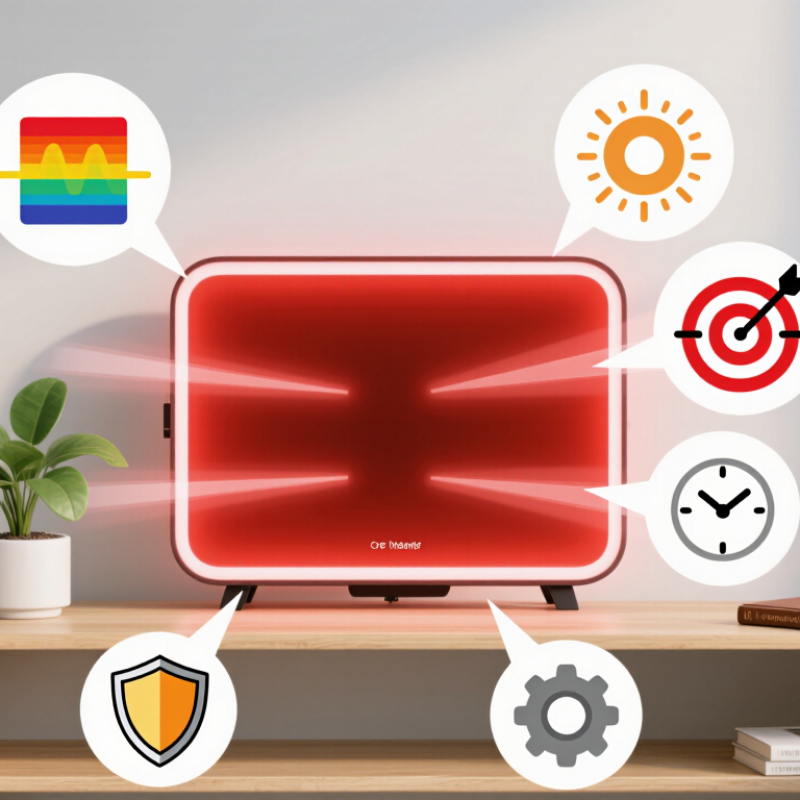
Red light therapy uses low-level red or near-infrared light directed at the skin. Unlike ultraviolet light, it does not aim to produce a tan. A home panel or handheld device typically contains LEDs, which emit light within selected wavelength ranges. Red light reaches more superficial tissue; near-infrared light can penetrate somewhat deeper, though depth varies by wavelength and tissue.
The proposed process is called photobiomodulation. Light may influence cellular activity, including how mitochondria handle energy, but the exact mechanisms are still being studied. Small clinical trials suggest possible benefits for certain skin concerns or discomfort, yet results depend on the condition, device, dose, and treatment schedule. Evidence is uneven. A warm glow is not proof that a device is working.
For practical use, check the device’s stated wavelengths, treatment distance, and exposure time rather than relying on appearance alone. Sit or stand at the recommended distance, and protect your eyes when the instructions call for it. More time is not automatically better. Skin response and device output can differ, and published research may not match a particular home product. Anyone with a photosensitive condition, or taking medication that increases light sensitivity, should ask a qualified clinician before use. It can be easy to expect too much. Red light therapy should not replace evaluation or treatment for a persistent health problem.
A red-light therapy panel is most useful when its settings are clear and repeatable. Check the product specifications for its wavelengths, intensity controls, timer, and recommended distance. Red and near-infrared light are not interchangeable, and a device’s listed features do not guarantee a particular result. Small details matter.
A practical routine should fit the intended use. Some people explore red light for skin appearance or temporary muscle and joint discomfort, but evidence and results vary. Follow the manufacturer’s exposure guidance, keep the device at the stated distance, and protect your eyes as directed. More time is not automatically better. A timer and adjustable intensity can make sessions easier to manage, especially if the light feels warm or uncomfortable. Stop if irritation develops, and ask a qualified health professional about persistent symptoms or photosensitive conditions.
The less exciting question is whether you will use it consistently. A large panel may be awkward in a small room; a short session can still feel like one more chore. Also, treatment settings can sound precise while leaving users unsure which option suits them. Read the manual before starting, note your settings, and avoid treating a device as a substitute for medical care. Not magic.
Red light therapy uses specific red or near-infrared wavelengths. Researchers are studying how light may influence cellular activity and tissue responses. Evidence is promising for some uses, but results depend on the condition and treatment method. Small studies suggest possible improvements in skin texture and fine lines. Findings on pain and recovery are mixed. The glow itself proves nothing.
Whether a home device is worth buying depends on your goal and expectations. Research findings from clinics do not automatically apply to every consumer product. Check the listed wavelengths, treatment guidance, safety instructions, and whether independent testing is available. Studies often use different devices and schedules, so comparing results can be difficult. That limitation deserves attention. Red light therapy should not replace medical care or delay an assessment for persistent symptoms.
Tips: Set a realistic goal and take a baseline photo in the same bathroom light. Follow the device instructions, protect your eyes as directed, and stop if irritation occurs. Ask a qualified clinician before use if you have a health condition or take light-sensitive medication. Consistency may matter, but more exposure is not necessarily better.
In 2026, a home red-light device is a recurring-use purchase, not a one-time treatment. Smaller units commonly list around $100–$400, while larger panels can cost $500–$1,500; prices vary with size and specifications. Check the warranty, return period, and measured light output at the stated treatment distance. A low sticker price is not a bargain if the usable treatment area is tiny. Electricity costs are usually modest. Your time is the bigger ongoing cost.
Practical use means following the device’s distance and session instructions consistently, often several times weekly. Set it beside a place you already sit, and track sessions for a few weeks. Easy to forget. Evidence is narrower than advertising can suggest: a 2013 Cochrane review found low-level laser therapy may ease neck pain in the short term, but its protocols do not directly establish results from consumer LED panels. A systematic review by Jagdeo and colleagues in Lasers in Medical Science examined LED use in dermatology and noted promising findings alongside varied, limited trials. Results depend on the condition, dose, wavelength, and device; redness or pain relief is not guaranteed. It may disappoint. Ask a clinician about persistent symptoms or a medical condition, and treat dramatic claims with skepticism.
Example cost comparison: The chart assumes one clinic visit per week at $50 per visit (four visits per month) versus a hypothetical $500 one-time at-home device purchase. On these assumptions, the home option costs less after about three months. These are scenario figures, not market averages or a quote for any specific product.
The comparison excludes taxes, maintenance, replacement parts, electricity, and any additional clinic fees. It compares costs only—not treatment effectiveness or whether a device is appropriate for you.
A home red-light panel may suit people seeking a low-effort addition to a skin-care routine or a tool for a specific, modest goal. Think of someone using it beside a bathroom mirror for a few minutes, not expecting dramatic changes. A 2022 umbrella review in BMJ Open reported a mean pain reduction of 2.06 points on a 10-point scale for chronic neck pain with photobiomodulation. However, that evidence does not prove every home device works equally well, or that results transfer to skin concerns. Small studies and differing treatment settings leave room for doubt.
Check the details before buying. Look for the stated wavelength, measured irradiance, treatment distance, session length, and illuminated area; “more LEDs” alone tells you little. Ask whether independent testing supports the specifications, and read the return and warranty terms. Also check eye-protection guidance and ask a clinician if you have an eye condition or use medication that increases light sensitivity. A regulatory clearance, where applicable, relates to a specific device and intended use; it is not a promise of results. Be cautious of guaranteed outcomes or vague claims. The inconvenient truth: consistency matters, but the ideal schedule is not settled for every purpose.
| Decision Area | Who May Consider It | What to Check Before Buying | Practical Buying Guidance |
|---|---|---|---|
| Personal goals | People exploring light-based wellness devices for a specific, realistic goal. | Look for human research relevant to the intended use, treatment area, and device type. Evidence for one use does not automatically establish effectiveness for another. | Define the goal first. Treat a device as an optional wellness purchase, not a guaranteed result or a replacement for medical care. |
| Treatment area and size | People who want to use a device on a particular body area or over a broader area. | Check the illuminated treatment area, device dimensions, recommended distance, positioning options, and whether the intended area can be covered comfortably. | Compare usable coverage—not just the device’s overall size—with how and where you plan to use it. |
| Wavelength information | Buyers comparing devices that use red light, near-infrared light, or both. | Check whether the manufacturer clearly lists the wavelengths in nanometres (nm). Visible red and near-infrared are different portions of the light spectrum; labels alone do not prove a device’s effectiveness. | Prefer clear, specific technical information over broad claims such as “advanced spectrum” without supporting details. |
| Output and treatment instructions | People who want repeatable sessions and clear usage guidance. | Check for reported irradiance, measurement distance, recommended session length, and any testing method. Output can vary with distance and measurement conditions. | Use the supplied instructions. Do not assume that higher output or longer sessions will produce better results. |
| Safety and health circumstances | Adults who can follow the device’s precautions and have no unresolved safety concerns. | Read eye-safety instructions and warnings. Ask a qualified clinician before use if you have a health condition, take medication that may increase light sensitivity, or are unsure whether light exposure is appropriate for you. | Stop use if you experience unexpected discomfort or irritation, and seek professional advice when appropriate. |
| Regulatory claims | Buyers who want to understand what a device’s regulatory statements actually mean. | Check the exact wording and verify any claimed authorization or clearance with the relevant regulator. Regulatory status is specific to a device and intended use; it is not a guarantee of results for every person or purpose. | Do not treat phrases such as “FDA registered” as proof that a product is FDA cleared or that a particular benefit is established. |
| Routine and convenience | People willing to use the device consistently and follow its session schedule. | Consider setup time, controls, power requirements, portability, cleaning instructions, and whether the routine fits your schedule. | A device that is easy to position and use as directed may be a better practical fit than one with features you are unlikely to use. |
| Total cost | Buyers with room in their budget for a non-essential wellness device. | Compare the purchase price with shipping, taxes, accessories, replacement parts, and any ongoing costs. Check the return window and conditions before ordering. | Set a maximum budget and assess the full cost against your intended use—not just the advertised price. |
| Warranty and support | Buyers who want a clear process if the device arrives damaged or stops working. | Read the warranty duration, exclusions, claim process, return costs, and availability of customer support in your region. | Save the receipt and warranty terms. A return policy and a product warranty are different protections. |
| Overall fit | People with a defined use case, realistic expectations, and a routine they can maintain. | Confirm that the specifications, safety guidance, coverage, cost, and return terms meet your needs before purchase. | Consider buying only if the device fits your goal and budget and you are comfortable with the limits of the available evidence. |
Note: This table provides general shopping information, not medical advice. Product specifications and evidence can vary by device and intended use.