How to Choose Good Quality Dog Toys for Happy Healthy Pets?
Choosing good quality dog toys is essential for your pet's happiness and health. Dogs, like children, have specific preferences. Some toys squeak, others are plush or made of rubber. It can be confusing for a pet owner. What's best?
Good quality dog toys should be safe and durable. Materials play a crucial role. Look for non-toxic options. If a toy falls apart quickly, it's a sign of low quality. A torn toy can pose a choking hazard. Observe your dog’s play habits. Does he chew aggressively?
Reflect on the types of toys your dog enjoys. Interactive toys can stimulate your dog’s mind. However, not all dogs are the same. Some may prefer tugging or fetching. Consider their age and size, too. Choosing the right toys can be challenging. Remember, high price doesn't always equal high quality. Make informed choices for their well-being.
Factors to Consider When Selecting Dog Toys for Safety
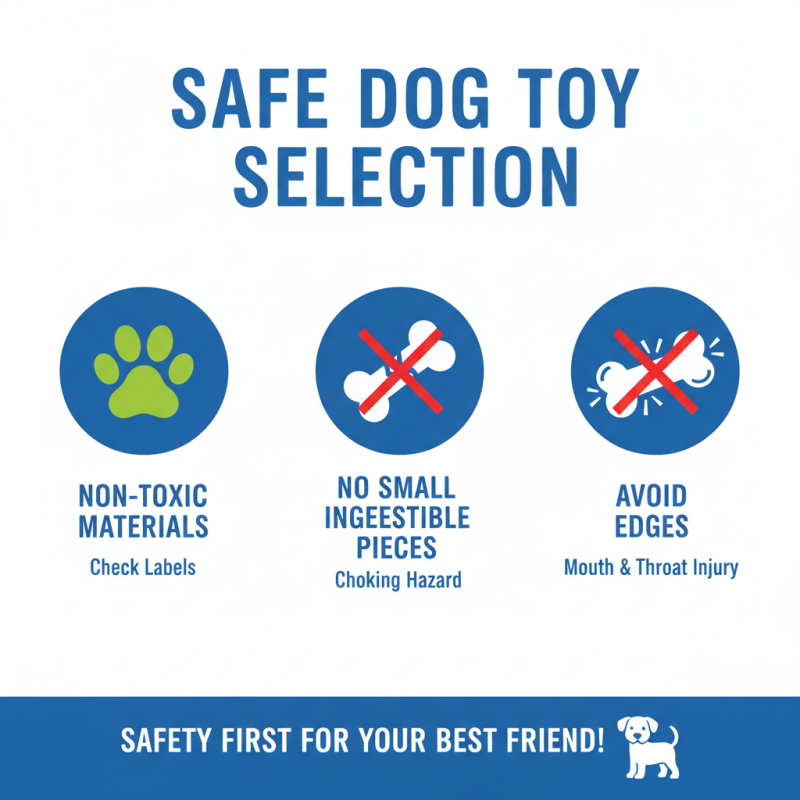
When selecting dog toys, safety is paramount. Look for toys made from non-toxic materials. Your pet may chew or ingest small pieces. Always read labels carefully. Toys should be free from harmful substances. Avoid items that have sharp edges. These can hurt your dog's mouth or throat.
Size matters significantly. A toy too small can be a choking hazard. Ensure the toy fits your dog's mouth comfortably. Likewise, consider your pet's chewing habits. Aggressive chewers need more durable options. However, be cautious with hard toys. They can damage teeth if not chosen wisely. Observe your dog as they play. If a toy breaks, remove it immediately.
Lastly, keep your dog's age and activity level in mind. Puppies often prefer squeaky toys, while older dogs might enjoy plush ones. Regularly assess your dog’s toys for wear and tear. It’s easy to overlook a small tear until it becomes a bigger issue. Finding the right balance in your choices can lead to safer playtime.
Types of Dog Toys and Their Benefits for Different Breeds
When choosing dog toys, it's essential to consider your dog's breed and personality. Different dogs have unique preferences. Smaller breeds might enjoy soft plush toys, while larger ones may favor durable chew items. Interactive toys can engage intelligent breeds like Border Collies. These toys stimulate their minds and help prevent boredom.
Different materials offer varied benefits. Rubber toys are great for strong chewers, while rope toys can encourage dental health. However, some materials may not suit all dogs. Always observe how your pet interacts with a new toy. Does it chew it aggressively? That could mean you need a tougher option.
Colors and textures matter too. Bright colors attract attention. Textured toys can massage gums while chewing, keeping your dog's interest. But, not all toys last long. Watch for signs of wear. A torn toy can pose choking hazards. Reflect on your pet's play habits before making a choice. The right toys can lead to happier, healthier playtime.
Types of Dog Toys and Their Benefits for Different Breeds
This bar chart illustrates the benefits of different types of dog toys tailored for various dog breeds. Understanding which toys work best for specific breeds can help in selecting the highest quality toys for your canine companions.
Understanding Your Dog's Play Style: Active vs. Passive Toys
Understanding your dog's play style is crucial for selecting the right toys. Dogs generally fall into two categories: active and passive players. Active dogs thrive on vigorous exercise. They enjoy chasing, tugging, and fetching. According to the American Kennel Club, dogs that engage in active play are less prone to behavioral issues. Their toys should withstand rough use and provide enough stimulation.
Conversely, passive play includes gentler activities like chewing or cuddling. Research shows that 70% of dogs prefer to chew rather than engage in high-energy play. Toys for these dogs should offer comfort and safety. Look for durable materials that can withstand prolonged chewing. A well-researched study found that 60% of dogs experience higher anxiety levels without proper chew toys. This highlights the need for suitable passive toys.
It's important to observe your dog's individual preferences. Some pets may enjoy a mix of both play styles. Experimenting with different toys can help determine what keeps your dog happy. Sometimes, dogs show a surprising lack of interest in toys. This could be a signal to reassess their play needs. After all, the right toys enhance their joy and overall health.
Materials to Avoid: Ensuring Non-Toxic Dog Toy Choices
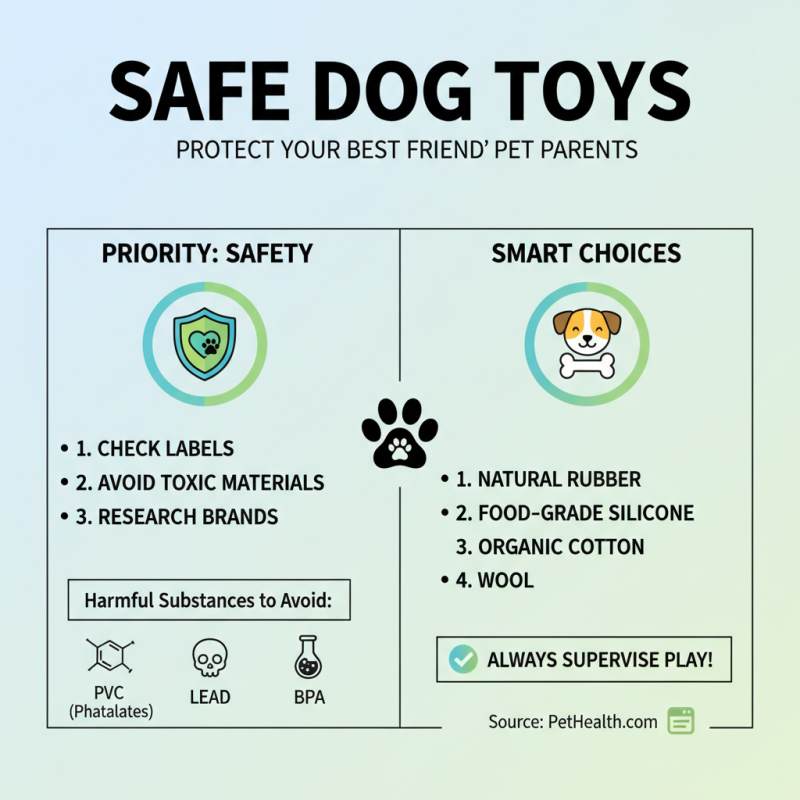
When choosing dog toys, safety is paramount. Many toys contain harmful materials. Always check labels for toxic substances. Some common materials to avoid include PVC, phthalates, and lead. These can be detrimental to your dog's health. Even if a toy looks fun, it may pose risks.
Many pet owners overlook the importance of non-toxic options. Chewing on unsafe toys can cause gastrointestinal issues. Dogs are curious by nature. They often chew on items without understanding the dangers. Simple ingredients like rubber or cotton are generally safer. However, not all rubber is created equal. Look for natural rubber options instead of synthetic ones.
Consider the longevity of the toy. Some will wear down quickly, exposing harmful materials. Inspect toys regularly for signs of damage. A broken toy can be a hazard. Reflect on your dog's chewing habits. A heavy chewer needs sturdier toys. Choosing wisely ensures your pet's happiness and health. It takes time, but being mindful is essential for their well-being.
Tips for Maintaining Dog Toys for Longevity and Hygiene
Maintaining dog toys is essential for their longevity and your pet's health. Regular cleaning can keep toys safe from bacteria. Washing soft toys in hot water is a good practice. For rubber toys, a simple mix of vinegar and water works wonders. Scrubbing with a brush ensures all surfaces are clean. Use non-toxic cleaners to avoid harming your furry friend.
Inspect toys frequently for wear and tear. Frayed edges or broken parts can be hazardous. If you notice any issues, it may be time to replace them. Some toys might seem fine but can harbor hidden dangers. Your dog chewing a damaged toy can lead to health problems. It's worth examining their favorites regularly.
Storage also matters. Keep toys in a dry, clean place. Moisture can lead to mold, especially in soft toys. Rotating toys can prevent boredom. Sometimes, a toy that seems uninteresting could become a favorite again. Take time to reflect on what toys your dog enjoys the most. Awareness of their preferences can enhance their playtime experience.
How to Choose Good Quality Dog Toys for Happy Healthy Pets?
| Toy Type |
Material |
Durability Rating |
Maintenance Tips |
Hygiene Tips |
| Rubber Balls |
Natural Rubber |
High |
Wash with soap and water after each use. |
Clean regularly to prevent bacteria build-up. |
| Plush Toys |
Polyester Fabric |
Medium |
Check for tears and repair them promptly. |
Wash in a delicate cycle and air dry. |
| Chew Toys |
Nylon |
Very High |
Inspect regularly for wear and replace if necessary. |
Wipe down with a damp cloth to maintain cleanliness. |
| Rope Toys |
Cotton Fiber |
Medium to High |
Rinse and dry after playtime. |
Wash in warm soapy water to eliminate odors. |
| Interactive Toys |
Plastic and Electronic Components |
Variable |
Follow the manufacturer’s guidelines for battery changes. |
Use a disinfectant wipe on surfaces to keep clean. |