
You have no items in your shopping cart.

Why Choose a Pilates Chair for Your Studio?
A pilates chair can add focused strength and balance work to a studio without requiring the floor space of larger equipment. Its compact frame may fit beside a reformer or along a wall, while a split pedal and adjustable springs offer options for controlled movement. Clients can practice seated presses, standing balance exercises, and supported leg work, depending on the chair design and their experience. Small changes matter. Spring tension, pedal width, and handle placement can affect how an exercise feels, so instructors should check the equipment before introducing new movements.
For a studio, the decision is not just about adding more exercises. A chair may help instructors vary sessions, address different movement goals, and make better use of limited space. Still, it is not a shortcut to better teaching. Beginners may need close supervision, clear cues, and appropriate spring settings; some movements can feel unfamiliar at first. That takes planning. Before buying, compare stability, adjustability, upholstery, weight limits, and the availability of replacement parts. Try the chair with realistic studio routines, not only a quick demonstration. Consider how easily it can be cleaned and stored, too. A pilates chair can be a practical addition, but only when its features match the studio’s clients, teaching style, and maintenance capacity. The fit may not be perfect for every class—and it is worth admitting that before investing.
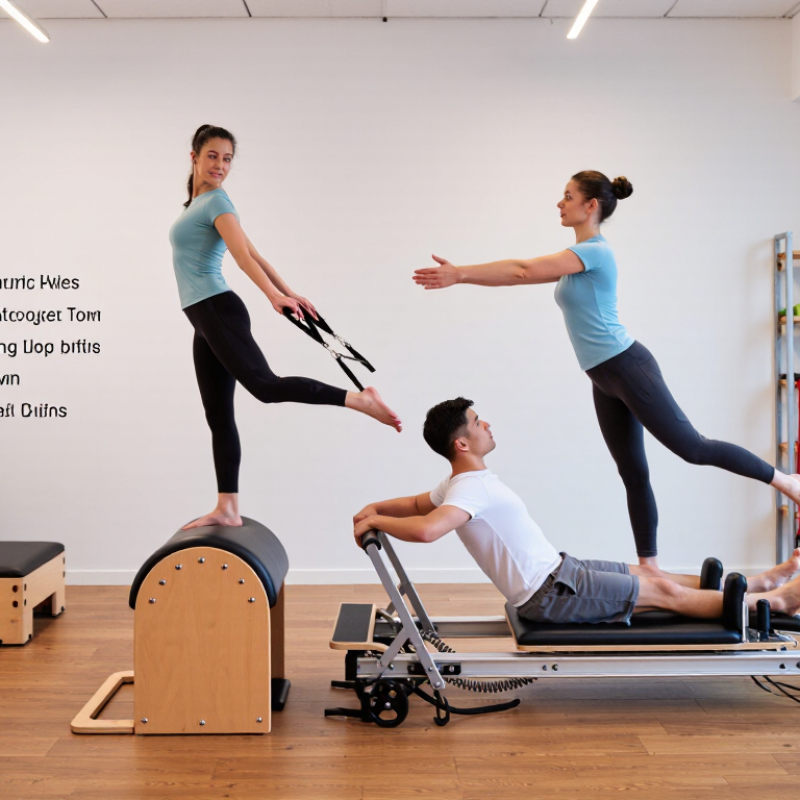
Table of Contents [Hide]
What a Pilates Chair Is and How It Works
A Pilates chair is a compact piece of studio equipment with a padded seat, a spring-loaded pedal, and often handles for support. Unlike a reformer, it has no sliding carriage. The practitioner moves the pedal by pressing it with the hands or feet, while springs provide adjustable resistance. Some chairs have split pedals, allowing each side to move separately. Small, but demanding.
Exercises can be performed seated, standing, kneeling, or lying over the seat. A controlled press engages the legs and hips; a slower return asks the body to resist the springs rather than let the pedal snap back. The springs change the effort required, but more resistance is not automatically better. Smooth movement matters. A slight wobble can reveal where balance or control needs attention.
In a studio, the chair offers varied ways to practise strength, coordination, and balance in a small footprint. An instructor can adjust spring settings and offer hand support to suit the movement and the participant. For example, a beginner might practise seated foot presses before attempting a standing variation. Setup takes attention, and transitions can feel awkward at first. That is worth acknowledging. A chair is not a shortcut to better technique; thoughtful instruction and appropriate progressions still matter.
| Dimension | What It Is or How It Works | What It Can Offer a Studio |
|---|---|---|
| Equipment overview | A Pilates chair is a compact exercise apparatus with a seat, a movable pedal, and a resistance system. Some models also include handles or split pedals. | It adds a distinct apparatus-based option alongside mat and other equipment sessions. Features vary by model. |
| Pedal and resistance | The user presses or controls the pedal against spring resistance. Spring arrangements and resistance levels differ between chairs; follow the equipment’s instructions when adjusting them. | Instructors can select appropriate resistance and movement variations for the exercise and the client’s ability. |
| Movement patterns | Exercises may involve pressing the pedal with the hands or feet while sitting, standing, kneeling, or lying in supported positions. | The chair can support a varied session focused on controlled movement, balance, coordination, and strength. |
| Muscle engagement | Depending on the exercise, movements can involve the legs, arms, trunk, and postural muscles. The muscles emphasized depend on body position, technique, and resistance. | It offers instructors ways to cue different areas of the body without relying on one exercise position alone. |
| Balance and control | Some chair exercises challenge stability because the user must control their body while moving a resisted pedal. Not every exercise has the same balance demands. | Instructors can choose supported or more challenging variations to match a client’s experience and comfort. |
| Space and setup | A chair has a compact footprint compared with many larger Pilates apparatuses, although exact dimensions depend on its design. | It may suit studios that want another equipment option while managing floor space. Check the chair’s dimensions and required movement clearance before purchase. |
| Instruction and safety | Safe use depends on correct setup, controlled pedal movement, suitable resistance, and following the manufacturer’s guidance. Springs and moving parts should be checked before use. | Allow time for instructor familiarization and client guidance, especially when introducing unfamiliar movements or resistance settings. |
| Best fit | A chair may be useful for studios seeking a compact apparatus with adjustable exercise options. Its suitability depends on the studio’s clients, teaching approach, budget, and available space. | Compare stability, adjustability, maintenance requirements, dimensions, and available training resources before choosing a chair. |