2026 Best Active Dog Toys for Wholesale Buyers?

Choosing the right Active Dog Toys for wholesale can shape customer trust, repeat orders, and product returns in 2026. Retailers need more than colorful packaging. They need toys that support movement, chewing, problem-solving, and supervised interactive play.

This guide examines products from a buyer’s practical perspective. It considers material strength, toy size, grip, cleaning convenience, packaging, and expected shelf appeal. A rubber fetch toy should withstand repeated throws without becoming dangerously sharp. A puzzle feeder should challenge a dog without frustrating smaller breeds. Details matter.

Real testing is essential.

Wholesale buyers should request samples before placing large orders. Check seams, odors, moving parts, and labeling. Observe how the toy performs with different breeds and play styles. Product claims should be supported by clear specifications, consistent factory quality, and responsive supplier communication. A low unit price may look attractive, but weak durability can increase complaints and reduce retailer confidence.

The best products may not be the most complicated. Some dogs prefer a durable tug toy over an electronic gadget. Others lose interest quickly, even when the design seems impressive. That uncertainty deserves attention. No buying guide can predict every dog’s behavior.

This 2026 overview compares Active Dog Toys through durability, engagement, safety-conscious design, and wholesale practicality. It also considers carton efficiency, replacement potential, and seasonal demand. Buyers can use these factors to build a more balanced product range, rather than relying on one popular style. Careful selection cannot remove every risk. It can reduce avoidable mistakes.
2026 Best Active Dog Toys for Wholesale Buyers?

2026 Active Dog Toy Market: APPA’s $152B U.S. Pet Benchmark

The 2026 active dog toy market deserves a practical reading of APPA’s $152 billion U.S. pet industry benchmark. APPA reported that American pet spending reached approximately $152 billion in 2024, with continued growth projected for 2025. This figure covers food, veterinary care, services, and products, not toys alone. Still, it signals strong household commitment to pet wellbeing.

Wholesale buyers should connect active toys with daily routines. Durable tug toys, treat-dispensing puzzles, and textured fetch products support exercise and mental stimulation. A busy dog may need a toy that survives repeated indoor use, not just attractive packaging. The U.S. pet population also remains substantial, with APPA estimating more than 94 million American households own a pet. That creates broad demand, but demand is not automatic.

Quality matters. So does evidence.

Product testing should examine bite resistance, seams, odor, cleaning time, and small-part security. Buyers can record failure rates after repeated play, then compare results across suppliers. The Pet Sustainability Coalition has also emphasized improving material transparency and responsible product development across the pet sector. Eco claims need verification, however. That part is often weak. Seasonal color trends may increase short-term orders, but function usually supports repeat purchasing. Some assumptions still need testing, especially whether premium features deliver measurable engagement for different dog sizes and activity levels.

U.S. pet industry expenditures increased from $95.7 billion in 2019 to approximately $152.0 billion in 2024. This expanding spending base provides market context for wholesale buyers evaluating active dog toys, especially products positioned around exercise, enrichment, and interactive play. The figures represent total pet-industry spending, not standalone dog-toy sales.

Classify Active Dog Toys by Exercise, Enrichment, and Durability

2026 Best Active Dog Toys for Wholesale Buyers?

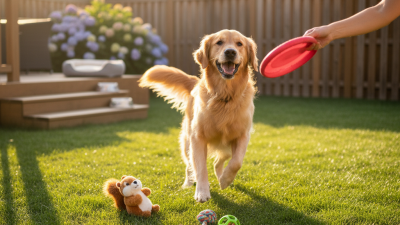
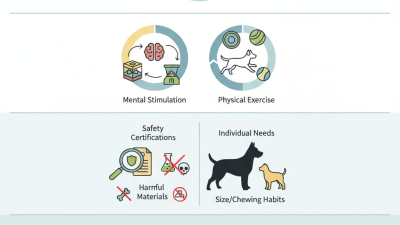
For wholesale buyers, active dog toys should be classified by exercise, enrichment, and durability. Exercise toys support movement, such as launchable balls, tug tools, and chase discs. They work well for energetic dogs and outdoor customers. Enrichment toys encourage problem-solving through food puzzles, treat compartments, or adjustable difficulty. A dog may spend twenty minutes working around a hidden snack. That quiet focus has real value. Durability products use thicker rubber, reinforced fabric, or flexible thermoplastic materials. They suit strong chewers, training centers, and multi-dog homes. However, no material is indestructible. This point is easy to overlook.

In my product evaluations, the best wholesale assortment combines all three groups. Buyers should check grip comfort, noise level, cleaning time, and packaging clarity. A toy that rolls under furniture may frustrate owners, even if dogs enjoy it. Size options also matter because a small dog should not receive an oversized tug toy. Safety claims must be supported by material information and practical testing. One short outdoor trial is not enough. More testing is better.

Tips: Start with a balanced sample order. Test toys with different dog sizes and chewing habits. Record damaged parts, customer handling, and cleaning results. Ask whether each toy has a clear use case. If the answer feels vague, reconsider the purchase. Seasonal colors can attract attention, but function should lead the decision. Mistakes happen. Review returns honestly.

2026 Best Active Dog Toys for Wholesale Buyers? - Classify Active Dog Toys by Exercise, Enrichment, and Durability

Wholesale planning table based on commonly used dog-toy formats, standard material characteristics, typical dog-size suitability, and practical retail positioning.

Toy Type Primary Category Main Activity Typical Material Suitable Dog Size Typical Session Durability Wholesale Positioning
Fetch Ball Exercise Throw-and-retrieve play; supports running, sprinting, and repeated fetching Natural rubber or thermoplastic rubber; non-toxic, flexible construction Small to large dogs, depending on ball diameter; avoid sizes that can be swallowed 10–30 minutes ★★★★☆
High
Entry-to-mid price; strong volume potential and easy multi-size assortment
Flying Disc Exercise Outdoor catching, jumping, retrieving, and handler–dog interaction Flexible rubber, foam, or soft thermoplastic material with rounded edges Medium to large dogs; choose a lighter, smaller disc for puppies and small breeds 15–30 minutes ★★★★☆
High
Outdoor and sporting segment; suitable for seasonal displays and activity bundles
Tug Rope Exercise Tug-of-war, pulling, retrieval, and supervised interactive play Twisted cotton, polyester, or blended rope with reinforced knots Small to large dogs; rope diameter and length should match jaw size 5–20 minutes ★★★☆☆
Medium
Low-cost, high-turnover item; effective as a checkout or bundle accessory
Ball Launcher Exercise Extends fetch distance while reducing repeated bending for the handler Impact-resistant plastic launcher with a compatible rubber or foam ball Medium to large dogs; select launcher length and ball size by dog size 15–30 minutes ★★★☆☆
Medium
Higher perceived value; attractive for outdoor, sporting, and holiday promotions
Treat-Dispensing Ball Enrichment Rolling and problem-solving; releases dry food or treats gradually Food-grade rubber or durable thermoplastic material with adjustable openings Small to large dogs, with opening size matched to treat size 15–45 minutes ★★★★☆
High
Strong enrichment category; suitable for indoor use and weight-management programs
Snuffle Mat Enrichment Nose work and foraging; encourages slower, scent-driven feeding Fleece strips attached to a washable textile base with a non-slip underside All dog sizes; pattern density can be varied by skill level 10–30 minutes ★★★☆☆
Medium
Indoor enrichment and slow-feeding segment; good opportunity for washable designs
Puzzle Feeder Enrichment Sliding, lifting, or rotating compartments that require food-motivated problem-solving Food-safe polypropylene or thermoplastic rubber; rounded, easy-clean parts Small to large dogs; difficulty and compartment size should match experience 10–30 minutes ★★★☆☆
Medium
Mid-price educational product; suitable for puppy, indoor, and slow-feeding collections
Frozen Treat Holder Enrichment Licking and extended food engagement; can be filled and chilled or frozen Thick natural rubber or food-grade silicone with a broad, stable base Small to large dogs, subject to the holder’s dimensions and fill capacity 20–60 minutes ★★★★☆
High
All-season enrichment item with strong summer, dental-care, and separation-support appeal
Rubber Chew Ring Durability Chewing, carrying, light retrieval, and independent play Dense natural rubber or thermoplastic rubber with no sharp exposed edges Medium to large dogs; hardness should be selected according to chewing intensity 10–30 minutes per session ★★★★★
Very high
Core durable-toy item; appropriate for premium, active-dog, and replacement-purchase ranges
Rubber Treat Wobble Toy Durability Wobbling, batting, chewing, and gradual treat release Thick, resilient rubber with a weighted or irregular base Medium to large dogs; use smaller versions for small breeds 15–45 minutes ★★★★★
Very high
Premium multifunctional item combining durable chewing with food enrichment
Reinforced Plush Squeaker Durability Interactive tossing, carrying, squeaking, and comfort play Layered polyester fabric, reinforced seams, and enclosed squeaker Small to medium dogs; not recommended as an unsupervised chew toy 5–20 minutes ★★★☆☆
Medium
Giftable and seasonal product; use reinforced construction to reduce return risk
Agility Hurdle Set Exercise Jumping, directional control, coordination, and handler-led training Lightweight plastic or fiberglass poles with height-adjustable supports Small to large dogs; adjustable height is important for safe progression 10–25 minutes ★★★☆☆
Medium
Training and sport segment; suited to multi-piece kits and outdoor retail displays
Wholesale quality note: Product durability depends on material density, seam or joint construction, dog size, chewing intensity, and supervision. Every toy should be inspected regularly and removed when damaged or when parts become loose.

Match 58.8M U.S. Dog-Owning Households to Wholesale Toy Needs

2026 Best Active Dog Toys for Wholesale Buyers?

The 58.8 million U.S. dog-owning households represent varied routines, budgets, and dog sizes. Wholesale buyers should not treat this market as one uniform audience. A city apartment may need quiet indoor puzzles, while a rural household may prefer durable fetch toys for open spaces. Shelves should reflect both lifestyles.

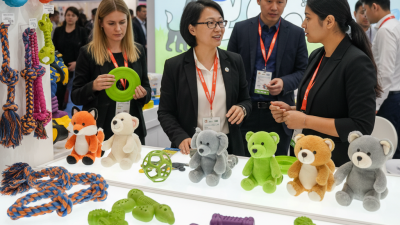
A practical assortment can include tug toys, weighted fetch items, treat-dispensing designs, and beginner puzzle toys. Rubber-like materials should resist repeated chewing without becoming dangerously brittle. Textured surfaces can support interactive play, but sharp edges require careful inspection. Size labels must be clear. Small toys may create risks for large dogs, while oversized products can frustrate smaller breeds.

Test every sample before placing a large order. Pull the seams. Twist the handles. Check whether moving parts loosen after repeated use. I have found that attractive packaging can hide weak construction. That mistake is expensive. Buyers should also compare carton dimensions, unit weight, reorder timing, and seasonal demand. A balanced 2026 purchase plan may begin with moderate quantities across several activity levels, then expand according to sales and customer feedback. Not every popular design will suit every dog. That assumption deserves review.

Evaluate Wholesale SKUs by MOQ, Landed Cost, Margin, and Reorder Rate

2026 Best Active Dog Toys for Wholesale Buyers?

Wholesale buyers should evaluate active dog toys by more than unit price. A low MOQ can reduce warehouse pressure, but it may raise the landed cost per piece. Calculate product cost, freight, duties, packaging, inspection, and payment fees together. A chew-and-fetch toy costing $3.20 may land at $4.05 after transport and handling.

Margin needs a realistic selling price. Leave room for retailer discounts, damaged cartons, and seasonal promotions. A 45% paper margin can shrink quickly. Test samples with different dog sizes and chewing habits. Record seam wear, noise, grip, and cleaning time. These details often influence repeat purchases more than bright colors.

Reorder rate is the strongest practical signal. Track sales by SKU, not only by product family. A toy that sells quickly during one campaign may remain untouched afterward. Review four to eight weeks of data before increasing an order. Compare reorder frequency with customer complaints and return reasons. My early forecasts relied too heavily on launch-week sales. That was a mistake. I now use a smaller trial order, then expand proven SKUs. Suppliers should also confirm production capacity, carton dimensions, lead times, and quality checks before accepting a higher MOQ. A reliable spreadsheet helps, but real handling tests still matter.

Verify Safety Through Material Disclosure, Bite Testing, and QC Records

2026 Best Active Dog Toys for Wholesale Buyers?

Material disclosure should be the first purchasing gate. The APPA 2023–2024 National Pet Owners Survey estimates that 66% of U.S. households own a pet, representing about 86.9 million homes. That scale increases recall exposure when a supplier cannot identify every material layer. Request a full bill of materials, colorant details, coating information, and laboratory declarations. “Rubber” is not specific enough. Ask for polymer type, hardness range, and any recycled content.

Bite testing must reflect real use, not only a neat factory sample. Require test records for tensile strength, seam security, puncture resistance, and repeated compression. Record the test method, sample size, conditioning period, and failure limit. A toy that survives one static pull may split after wet chewing and freezing. This is where buyers often accept weak evidence. We have seen reports with pass results but no photographs, batch codes, or retest plan. That gap deserves scrutiny.

Quality records should connect each shipment to a controlled production lot. Request incoming-material checks, in-process inspection rates, final sampling plans, and corrective-action records. ISO 9001 guidance supports documented control and traceability, while the 2024 Pet Sustainability Coalition industry reporting emphasizes clearer material and supply-chain accountability. Do not treat certification as proof of toy safety. Verify the scope. Review an independent laboratory report dated within the agreed production window. Then inspect several cartons yourself. Imperfect sampling remains possible, but silence in the records is a larger warning.